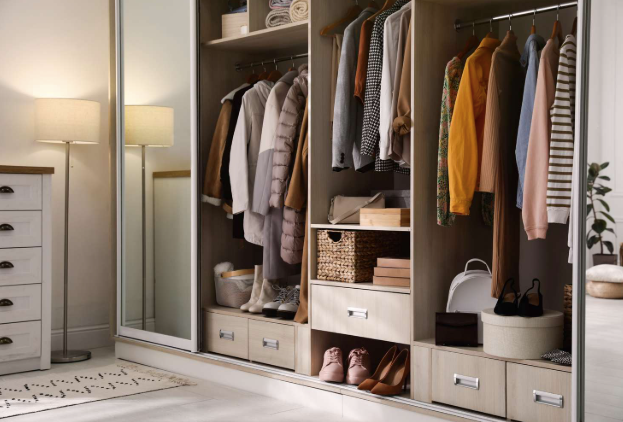
A well-run bedroom closet starts with a quick assessment: what’s surplus, what’s worn, and what’s missing. He or she identifies zones for easy access, uses adjustable shelves and clear bins, and places the most-used items at eye level. A simple daily routine keeps it tidy: return garments after wear, rotate seasonal pieces, and maintain a donation bin. The plan scales to fit budget and life changes, offering a practical path that invites the next steps.
Start With a Closet Assessment and Goals
A closet assessment establishes a clear starting point and direction. This step grounds bedroom organization in reality, guiding decisions. A concise space evaluation identifies surplus items and functional gaps, enabling practical priorities. Clear closet assessment goal setting translates into actionable tasks, such as decluttering targets and labeled storage zones. With measured steps, outcomes become freedom-driven, efficient, and visually calm.
Master Your Space With Smart Storage Hacks
Smart storage hacks build on the closet assessment by turning space limitations into organized efficiency. The approach emphasizes modular solutions, such as adjustable shelves, slim organizers, and labeled bins, to maximize every nook.
Implement budget friendly storage ideas that fit existing budgets while enabling seasonal organization.
Prioritize quick wins, clear paths, and measurable results, delivering freedom through visible, accessible, and adaptable closet systems.
Build a Daily Routine to Maintain Order
Establishing a simple daily routine is the core of lasting closet order. A clear plan reduces chaos and saves time. The method focuses on quick checks, consistent put-away, and immediate restoration after use. Cultivate an organizing mindset by pairing tasks with routines, not willpower. Daily maintenance becomes automatic, freeing space for choice and freedom while preserving tidy balance.
Tailor Your Closet to Your Life and Budget
To tailor a closet to life and budget, start by inventorying what is worn most and what can be moved elsewhere, then allocate space and storage options that fit available funds.
A budget friendly approach emphasizes essential pieces, versatile outfits, and scalable solutions.
This life customized layout prioritizes simplicity, ease of access, and future adjustments as needs evolve and resources change.
Frequently Asked Questions
How Often Should I Re-Evaluate My Closet Goals?
A concise cadence: re evaluate goals every three to six months, adjusting as needs and lifestyle shift. Set milestones for wardrobe coverage, seasonal reviews, and friction points. This approach maintains momentum, offering freedom while maintaining practical, actionable guidance.
What if I Have Limited Hanging Space Only?
Limited hanging space demands smart layout: prioritize essentials, use slim hangers, and install vertical storage. A recent study shows 40% efficiency gains from rethinking small closets. For limited hanging, optimize with shelves, baskets, and double rods.
See also: Blockchain-Powered Digital Commerce
Are There Affordable, Non-Permanent Closet Solutions?
Affordable storage and non permanent solutions exist, offering practical, actionable options. This approach prioritizes flexible, scalable systems and portable organizers, enabling a sense of freedom while maximizing space without committing to permanent changes.
How Can I Repurpose Items for Better Organization?
A notable statistic shows 60% of homeowners reuse items creatively for efficiency. He/she can repurpose containers to categorize small items and repurpose furniture to create extra shelves, optimizing space. Practical steps: label bins, stack crates, and relocate bulky pieces.
What’s the Best Way to Handle Seasonal Wardrobe Changes?
Seasonal storage ideas involve pre-planning a wardrobe rotation schedule, then swapping items biweekly or monthly. The approach emphasizes clarity, minimal clutter, and freedom to adapt; a labeled bin system and accessible off-season storage support smooth, practical transitions.
Conclusion
A well-ordered closet whispers of intention, like a morning ritual etched in space. By assessing surplus, identifying gaps, and labeling zones, the wearer moves with confidence rather than clutter. Adjustable shelves and clear bins become reliable allies, guiding daily decisions. The routine—put away, rotate, donate—keeps momentum steady, while scalable solutions bend with life’s tides. In small, deliberate steps, the closet becomes a trusted stage for everyday life, reminding us that organization is a form of care.