In today’s technology-driven world, electronic devices are an essential part of daily life. From smartphones and laptops to household appliances and office equipment, the rapid pace of innovation means that devices are frequently replaced and discarded. This growing volume of electronic waste has created an urgent need for sustainable solutions. e waste recycling services provide an environmentally responsible way to manage discarded electronics, helping both businesses and households reduce their ecological footprint.
Understanding E-Waste and Its Impact
Electronic waste, or e-waste, refers to any discarded electronic device or component. These items often contain hazardous materials such as lead, mercury, and cadmium, which can pose serious risks to human health and the environment if not handled properly.
Improper disposal of e-waste can lead to:
- Soil and water contamination
- Air pollution from toxic emissions
- Health risks for communities and waste handlers
- Loss of valuable recyclable materials
- Increased pressure on landfills
Eco-friendly recycling services address these issues by ensuring safe handling, processing, and recovery of electronic components.
Why Eco-Friendly E-Waste Recycling Matters
As the volume of electronic waste continues to rise, adopting sustainable recycling practices is more important than ever. Responsible recycling not only protects the environment but also supports resource conservation.
Key benefits of eco-friendly e-waste recycling include:
- Reducing environmental pollution
- Conserving natural resources by recovering valuable materials
- Minimising landfill waste
- Supporting circular economy practices
- Promoting sustainable business and household habits
By choosing eco-friendly solutions, individuals and organisations contribute to a healthier and more sustainable future.
Types of E-Waste Commonly Recycled
E-waste recycling services handle a wide range of electronic items from both residential and commercial sources.
Household E-Waste
- Smartphones and tablets
- Laptops and desktop computers
- Televisions and audio equipment
- Kitchen appliances
- Chargers, cables, and accessories
Business E-Waste
- Servers and networking equipment
- Office computers and monitors
- Printers and copiers
- Data storage devices
- Industrial electronic equipment
Proper disposal of these items ensures that harmful substances are managed safely while valuable components are recovered.
How Eco-Friendly E-Waste Recycling Works
Professional recycling services follow structured processes to ensure environmental safety and efficiency.
Collection and Transportation
- Secure collection of electronic waste from homes or businesses
- Safe transportation to recycling facilities
- Proper handling to prevent damage or contamination
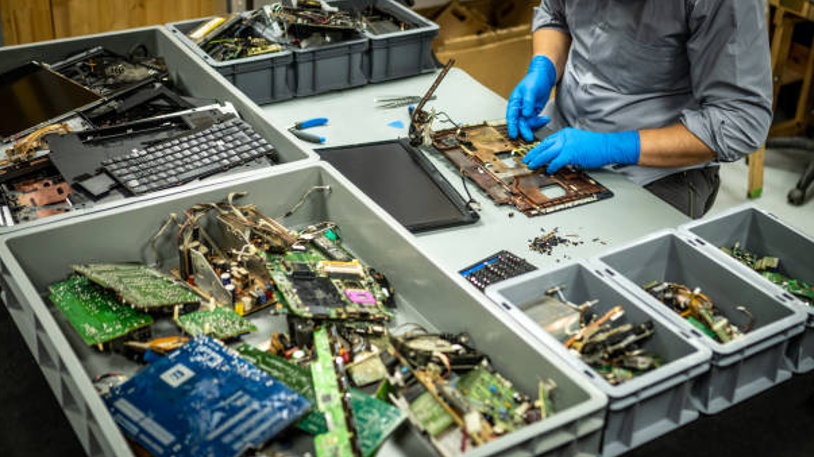
Sorting and Dismantling
- Separation of different types of electronic devices
- Manual or automated dismantling of components
- Identification of recyclable and hazardous materials
Material Recovery
- Extraction of valuable materials such as copper, gold, and aluminium
- Recycling of plastics and glass components
- Safe disposal of non-recyclable or hazardous substances
Final Processing
- Refining recovered materials for reuse in manufacturing
- Ensuring compliance with environmental standards
- Minimising waste sent to landfills
This systematic approach ensures maximum resource recovery while reducing environmental impact.
Benefits for Businesses
Businesses generate significant amounts of electronic waste, especially during upgrades or expansions. Eco-friendly recycling services offer tailored solutions to meet corporate needs.
Environmental Responsibility
- Demonstrates commitment to sustainability
- Reduces carbon footprint
- Supports corporate social responsibility initiatives
Regulatory Compliance
- Meets environmental and waste management regulations
- Avoids potential fines and legal issues
- Ensures proper documentation of disposal processes
Data Security
- Secure handling and destruction of sensitive data
- Protection against data breaches
- Compliance with data protection requirements
Cost Efficiency
- Reduces storage and disposal costs
- Potential recovery of value from recyclable materials
- Streamlined waste management processes
Benefits for Households
Households also play a crucial role in reducing e-waste. Recycling services make it easier for individuals to dispose of electronics responsibly.
- Convenient disposal of unwanted devices
- Reduced environmental impact at the community level
- Safe handling of hazardous materials
- Contribution to resource conservation
- Support for sustainable living practices
By recycling electronics properly, households can make a meaningful difference in environmental protection.
See also: 9 Countertop Pricing Software Options, Ranked by What Actually Matters in the Shop
Challenges in E-Waste Management
Despite its importance, managing e-waste effectively comes with several challenges:
- Lack of awareness about proper disposal methods
- Limited access to certified recycling facilities
- Rapid increase in electronic consumption
- Complexity of dismantling modern devices
- Illegal dumping and informal recycling practices
Addressing these challenges requires collective efforts from individuals, businesses, and policymakers.
Best Practices for Responsible E-Waste Disposal
To maximise the benefits of e-waste recycling, it is important to follow best practices:
Reduce and Reuse
- Extend the lifespan of electronic devices
- Repair instead of replacing when possible
- Donate or resell functional equipment
Separate E-Waste from General Waste
- Avoid mixing electronics with household trash
- Store e-waste safely until it can be recycled
- Use designated collection points
Choose Certified Recycling Services
- Ensure compliance with environmental standards
- Verify proper handling and disposal methods
- Avoid unregulated recycling channels
Protect Personal Data
- Remove or back up important data before disposal
- Use secure data wiping or destruction methods
- Reset devices to factory settings
The Role of Technology in E-Waste Recycling
Advancements in technology are improving the efficiency and effectiveness of recycling processes.
Automated Sorting Systems
- Enhance accuracy in material separation
- Increase processing speed
- Reduce manual labour
Advanced Recovery Techniques
- Improve extraction of valuable materials
- Minimise waste generation
- Increase recycling rates
Digital Tracking Systems
- Monitor the lifecycle of electronic waste
- Ensure transparency in recycling processes
- Provide documentation for compliance
These innovations are helping create more sustainable and efficient recycling systems.
Future of Eco-Friendly E-Waste Recycling
The future of e-waste recycling is focused on sustainability, innovation, and global collaboration.
- Increased adoption of circular economy models
- Development of eco-friendly electronic designs
- Expansion of recycling infrastructure
- Greater awareness and education initiatives
- Stronger environmental regulations
As these trends continue to evolve, eco-friendly recycling services will play an even more critical role in managing electronic waste.
Conclusion
Eco-friendly e-waste recycling services provide a practical and responsible solution for managing discarded electronics in both businesses and households. By ensuring safe disposal, recovering valuable materials, and reducing environmental harm, these services support a more sustainable and efficient use of resources.
With the growing reliance on technology, the importance of proper e-waste management cannot be overstated. By adopting responsible recycling practices and leveraging professional services, individuals and organisations can contribute to a cleaner environment and a more sustainable future for generations to come.