Moving house is stressful enough without watching a cherished antique sideboard get scratched in the driveway or a glass-topped coffee table crack in transit. Fragile furniture — whether it’s a delicate Victorian dresser, a marble-topped console, or a slim-legged accent chair — demands a completely different approach to your standard flat-pack bookshelf. Knowing how to move fragile furniture correctly is the difference between arriving at your new home with everything intact and facing expensive repairs or heartbreaking losses.
This guide walks you through every essential step, from gathering the right materials to loading the van with confidence.
Assess Each Piece Before You Do Anything
Before you wrap a single item, take the time to assess each fragile piece individually. Ask yourself:
- Does it have removable parts — drawers, shelves, glass panels, or decorative hardware?
- Are the legs slender or structurally vulnerable?
- Is the surface prone to scratching — high-gloss lacquer, veneer, or polished marble?
- Is it genuinely antique or irreplaceable?
This assessment shapes your entire packing and handling strategy. A glass display cabinet needs a completely different approach to a solid timber dining table, even if both qualify as fragile in their own way. Taking ten minutes to think through each piece prevents costly mistakes later.
Gather the Right Packing Materials
Attempting to move fragile furniture with whatever spare blankets and newspaper you have lying around is a false economy. Invest in proper materials before the moving day arrives. You will need:
Furniture moving blankets — thick, padded blankets designed specifically to protect surfaces during transit. These are non-negotiable for any piece with a polished, painted, or veneered finish.
Bubble wrap — essential for wrapping glass panels, mirror inserts, decorative carvings, and any protruding ornamental detail that could snap or scratch under pressure.
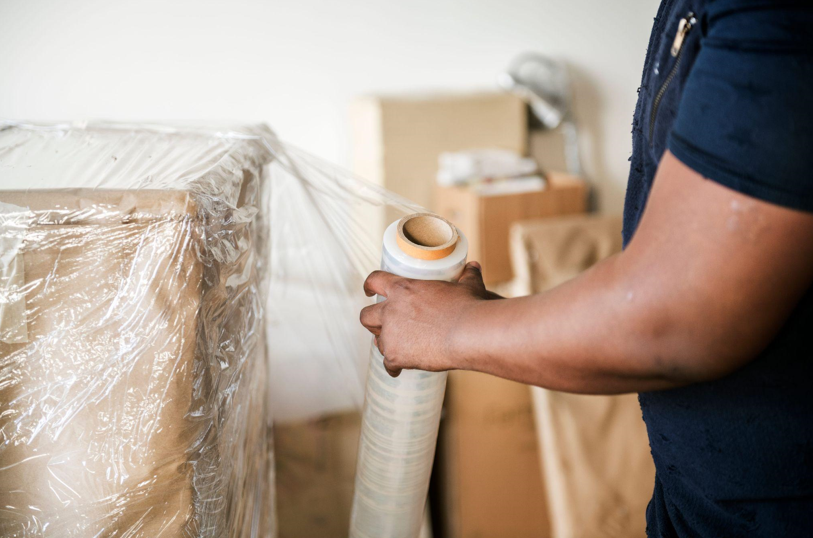
Packing tape and stretch wrap — stretch wrap holds blankets in place without the adhesive ever touching the furniture surface. Never apply tape directly to wood, fabric, or lacquer.
Corner protectors — foam or cardboard corner guards protect the most vulnerable points on dressers, cabinets, and tables during loading and unloading.
Furniture pads and felt — ideal for placing between stacked or touching pieces inside the van to prevent surface contact and friction damage.
Having everything ready before you start means you won’t be tempted to cut corners when time pressure builds on moving day.
Disassemble What You Can
The safest way to move fragile furniture is to reduce each piece to its most manageable and least vulnerable form. Remove drawers from dressers and chests they add unnecessary weight and can slide out mid-move if not secured. Take off doors from cabinets where hinges allow. Unscrew table legs where possible, wrap them individually in bubble wrap, and pack them flat.
Glass panels and mirror inserts should always be removed and packed separately. Wrap each glass piece in several layers of bubble wrap, secure with tape (not on the glass surface itself), and stand them upright in the van glass is far more likely to crack when laid flat under pressure. Label every wrapped panel and every bag of screws or fittings so reassembly at the other end is straightforward.
Wrap Every Piece Properly
Once disassembled as far as possible, wrap each component thoroughly before it leaves the room. The goal is zero exposed surface.
Start with a layer of bubble wrap on any glass, carved detail, or protruding element. Then wrap the main body in moving blankets, folding the edges neatly and securing with stretch wrap rather than tape. For high-gloss or lacquered surfaces, add an extra layer even a minor rub from another surface in the van can leave a visible mark on a polished finish.
Pay particular attention to corners and legs. These are the first points to make contact with doorframes, stairwells, and the walls of the moving van. Foam corner guards fitted before the blanket wrap give an added layer of protection at these high-risk points.
When you genuinely need to move fragile furniture that is antique, oversized, or particularly high in value, consider sourcing specialist crating for the most delicate items. Timber crates built around individual pieces offer maximum protection for long-distance moves or items of significant monetary and sentimental worth.
Navigate Doorways, Stairs, and Tight Spaces Carefully
More damage happens in the first and last ten metres of a move than anywhere else. Doorframes, staircases, and tight hallway corners are where fragile furniture is most at risk and where rushing causes the most harm.
Measure every doorway and corridor on your route before moving day. If a piece is wider than a doorway, plan in advance whether it can be tilted, disassembled further, or whether a window or alternative access point needs to be used. Never force a piece through a gap that’s too narrow furniture and doorframes both suffer, and the stress placed on a fragile piece during forcing can cause hidden structural damage that only appears later.
Use two people minimum for any substantial piece. Communicate clearly at every turn one person leads, one person guides, and both move at the same pace. Slow and steady is always the right approach when you move fragile furniture through confined spaces.
See also: 9 Countertop Pricing Software Options, Ranked by What Actually Matters in the Shop
Load the Van Strategically
How you load the moving van is just as important as how you’ve wrapped everything. Follow these principles for fragile pieces:
Load heavy items first, fragile items last. Fragile furniture should be the last things loaded and the first things unloaded, minimising the time they spend at risk inside the van.
Stand tall pieces upright. Wardrobes, cabinets, and glass panels should always travel vertically. Laying them flat dramatically increases the risk of cracking, warping, or structural failure under their own weight.
Secure everything with straps. Even well-wrapped furniture can shift and collide during the journey. Use ratchet straps or moving straps anchored to the van’s internal rails to hold every significant piece in place.
Pad between touching surfaces. Wherever two pieces share a wall or sit close together in the van, place a furniture pad or folded moving blanket between them. Even wrapped furniture rubbing against wrapped furniture over a long journey can cause surface damage.
The Smartest Move You Can Make
Taking time to properly plan, pack, and protect your fragile furniture is always worth the effort. When you move fragile furniture the right way — assessing each piece, using quality materials, disassembling where possible, and loading strategically — you dramatically reduce the risk of damage and arrive at your new home with every treasured piece exactly as you left it.
For particularly valuable, antique, or oversized items, partnering with experienced removalists who specialise in fragile and high-value furniture is the wisest investment you can make. Professional movers bring the equipment, expertise, and insurance to handle even the most delicate pieces with total confidence — giving you one less thing to worry about on what is already one of the most demanding days of the year.